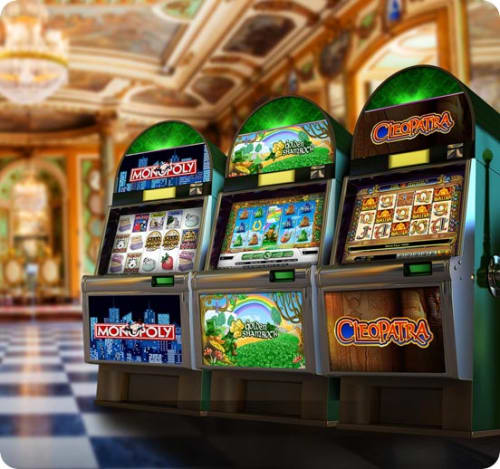
Slot machines are renowned for their ability to deliver thrilling wins and near misses that keep players on the edge of their seats. Behind the flashing lights and spinning reels lies a complex system of algorithms and psychological principles that determine the frequency and magnitude of payouts. In this article, we’ll delve into the science behind slot machine payouts, exploring concepts such as random number generation asianslot88, near misses, and the psychology of winning to provide insight into how slot machines work and why they can be so addictive.
Random Number Generation (RNG):
At the core of every slot machine is a computerized random number generator (RNG) that determines the outcome of each spin. The RNG generates thousands of random numbers per second, each corresponding to a specific combination of symbols on the reels. When you press the spin button, the RNG selects a random number that determines which symbols appear on the reels and whether you win or lose.
Near Misses:
Near misses are a common occurrence in slot machine gaming, where two or more matching symbols appear on the reels but fall just short of forming a winning combination. These near misses create the illusion of almost winning and can be highly motivating for players, encouraging them to continue playing in the hopes of achieving a jackpot. Despite appearing to be close to winning, near misses are purely random and have no bearing on the outcome of future spins.
Psychology of Winning:
Winning plays a crucial role in the psychology of slot machine gaming, triggering a release of dopamine in the brain that creates feelings of pleasure and satisfaction. The anticipation of winning, coupled with the excitement of seeing winning combinations line up on the reels, can be highly addictive and reinforce the desire to continue playing. Slot machines are carefully designed to maximize the frequency and impact of winning experiences, keeping players engaged and coming back for more.
Variable Rewards:
Slot machines employ a technique known as variable rewards to keep players engaged and motivated to continue playing. Variable rewards involve providing unpredictable payouts at random intervals, creating a sense of excitement and anticipation with each spin. This reinforcement schedule is highly effective at encouraging repetitive behaviors, as players are uncertain when the next big win will occur and are driven to keep playing in the hopes of hitting the jackpot.
Payout Percentages (RTP):
Slot machines are programmed to pay out a certain percentage of the money wagered on them over time, known as the return to player (RTP) percentage. The RTP percentage is typically set by the game’s developer and can vary from one slot machine to another. While the RTP percentage indicates the theoretical payout rate over the long term, individual outcomes are determined by the RNG and can vary widely in the short term.
Skill-Based Elements:
While slot machines are primarily games of chance, some modern slots incorporate skill-based elements that allow players to influence the outcome of the game to some extent. These skill-based features, such as bonus rounds or mini-games, may require players to make decisions or perform certain actions that can affect the outcome and potentially increase their chances of winning.
Conclusion:
The science behind slot machine payouts is a fascinating blend of mathematics, psychology, and technology that shapes the gaming experience and influences player behavior. From random number generation and near misses to the psychology of winning and variable rewards, slot machines are designed to keep players engaged and entertained while maximizing revenue for casinos. By understanding the underlying principles of slot machine payouts, players can make more informed decisions about their gaming habits and enjoy a safer and more enjoyable gaming experience.