
Introduction
I once watched a line stop because a case flapped open like a bad surprise party — sticky tape, annoyed operator, wasted minutes. By the way, an automatic case packer sits at the heart of that chaos in many plants: it should be the hero but often feels like the decoy. Recent shop-floor audits I read show downtime eats up to 18% of scheduled production in some mid-sized plants (yes, real numbers — not just rumors). So what’s really going wrong, and can we fix it without tearing down the whole line? I want to walk you through what I’ve seen, what the data says, and the real choices you have next — keep reading. This will get a little technical, but I promise to keep it readable and a bit fun.
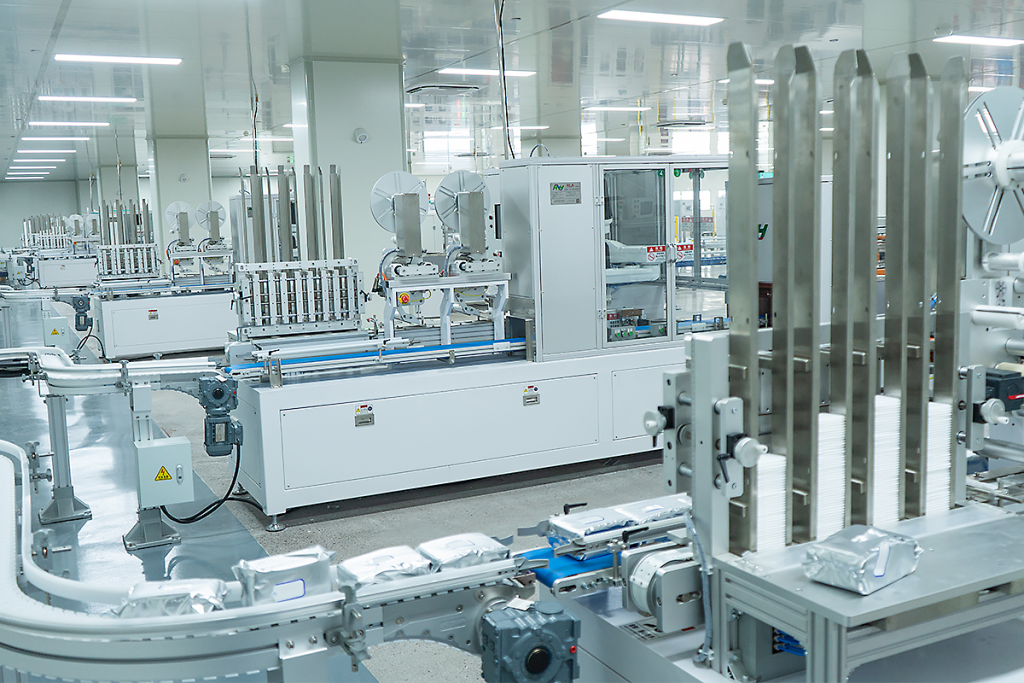
Deep Dive: Hidden Pain Points of Current Systems
automatic case packer manufacturers often sell machines by spec sheets — speed, SKU range, footprint. I get that; specs are neat. But specs hide real user pain. I’ve worked with teams who thought throughput numbers were gospel until they hit changeover day. Servo motors will scream and PLC control may blink errors when a new pack size arrives. Conveyor integration is rarely plug-and-play. The hardware is solid, sure, but the system-level thinking is lacking. Look, it’s simpler than you think: manufacturers focus on ideal-case scenarios, not the messy realities of mixed SKUs, sticky labels, or late-night operators who need intuitive screens. That mismatch is where costs hide — in scrap, in unscheduled stops, and in overtime.
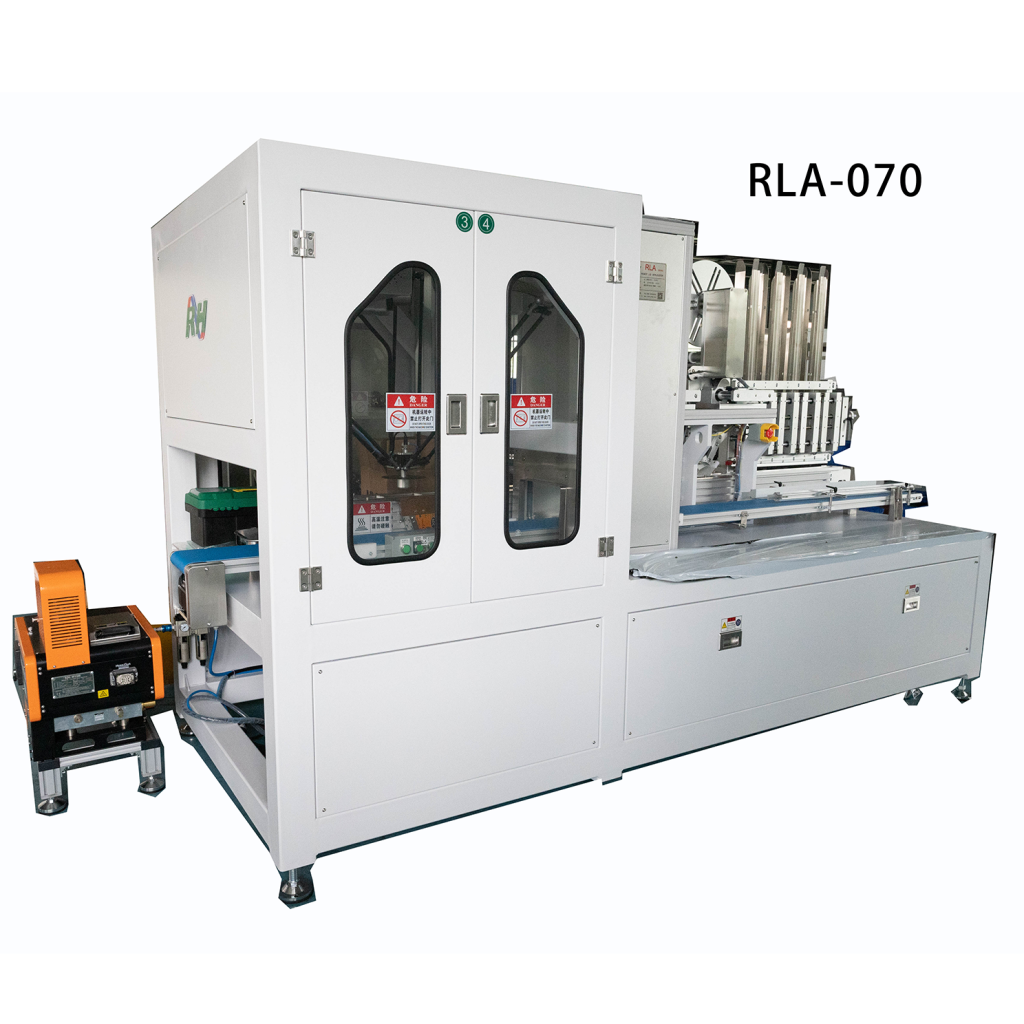
Why do these systems fail?
Let me be blunt. Many plants still rely on manual overrides and duct-taped workarounds. We patch with quick fixes — a shim here, a new timing belt there. Those fixes work for a while, but they compound. The biggest culprits I see are poor error handling, limited diagnostics, and inflexible case erectors that choke when product flow changes. Add weak label verification and you get rejects downstream. I’m not trying to be dramatic; I’m naming patterns we can fix if we approach the problem differently. We need smarter diagnostics, better human-machine interfaces, and tighter integration across pick-and-place systems and case packers. It’s doable — and we should push for it.
New Technology Principles That Actually Help
Shifting forward, the smartest gains come from principles, not buzzwords. I’m talking modular designs, edge diagnostics, and adaptive control loops that learn rather than just repeat. When automatic case packer manufacturers build machines with modular infeed modules and clear PLC control libraries, you can swap a module without rewiring half the line. That reduces mean time to repair. Also, integrating simple vision checks (label verification, barcode reads) early prevents a whole cascade of waste later. These aren’t fantasies. I’ve seen pilot lines cut their reject rates by a third just by adding smarter sensors and tuning the servo motors properly. — funny how that works, right?
What’s Next?
Here’s what I would prioritize if I were choosing or upgrading a system tomorrow. First, demand visible diagnostics: error logs, live throughput graphs, and remote access so a technician can triage before driving in. Second, insist on flexible case formats and modularity — changeovers should feel like changing lanes, not rebuilding an engine. Third, accept that software matters: user-friendly HMI screens, clear recipes, and robust PLC control reduce operator errors. If you mix those three, you lower downtime and raise morale. I’ve watched skeptical operators start to trust the line again once those pieces were in place. The payoff is measurable: fewer stops, less scrap, and less late-night firefighting.
How to Evaluate New Systems — Three Practical Metrics
When you compare vendors or proposals, don’t be dazzled by peak speeds alone. Use these three metrics I rely on:
1) Effective Changeover Time — measure from the moment a supervisor orders a size change to when the line returns to target throughput. Shorter is better, and it should include human steps. 2) Diagnostic Depth — does the system log errors, suggest fixes, and allow remote access? If it just flashes an error code, it’s not enough. 3) Net Throughput Under Mix — test with your real SKU mix, not a single product. A packer that hits top speed with one SKU but collapses under variety is a false promise.
These metrics keep decisions honest. I’d also add that budget for training and a short pilot run; you learn more in three days on the line than in three meetings. Final thought — choose partners who solve problems with you, not just for you. For reliable gear and sensible support, consider vendors like ZLINK. We’ve seen real improvements when teams focus on systems, not just machines.